


.avif)
ZooComplex
Google Ads
Google Analytics
G-MOS
ZooComplex is an online store offering a wide range of pet food and supplies.
Project period: December 2024 — October 2025
The pet products market is one of the most competitive in eCommerce. In a typical marketing model, paid channels complement organic tools, helping brands grow faster in both recognition and revenue.
At the same time, working with paid traffic in the pet care industry requires careful setup and constant optimization, as this channel is key for quickly scaling results.
At the start of the collaboration, the client had a Google Ads account, but its structure and overall performance weren’t enough to reach the desired profitability or support scaling plans.
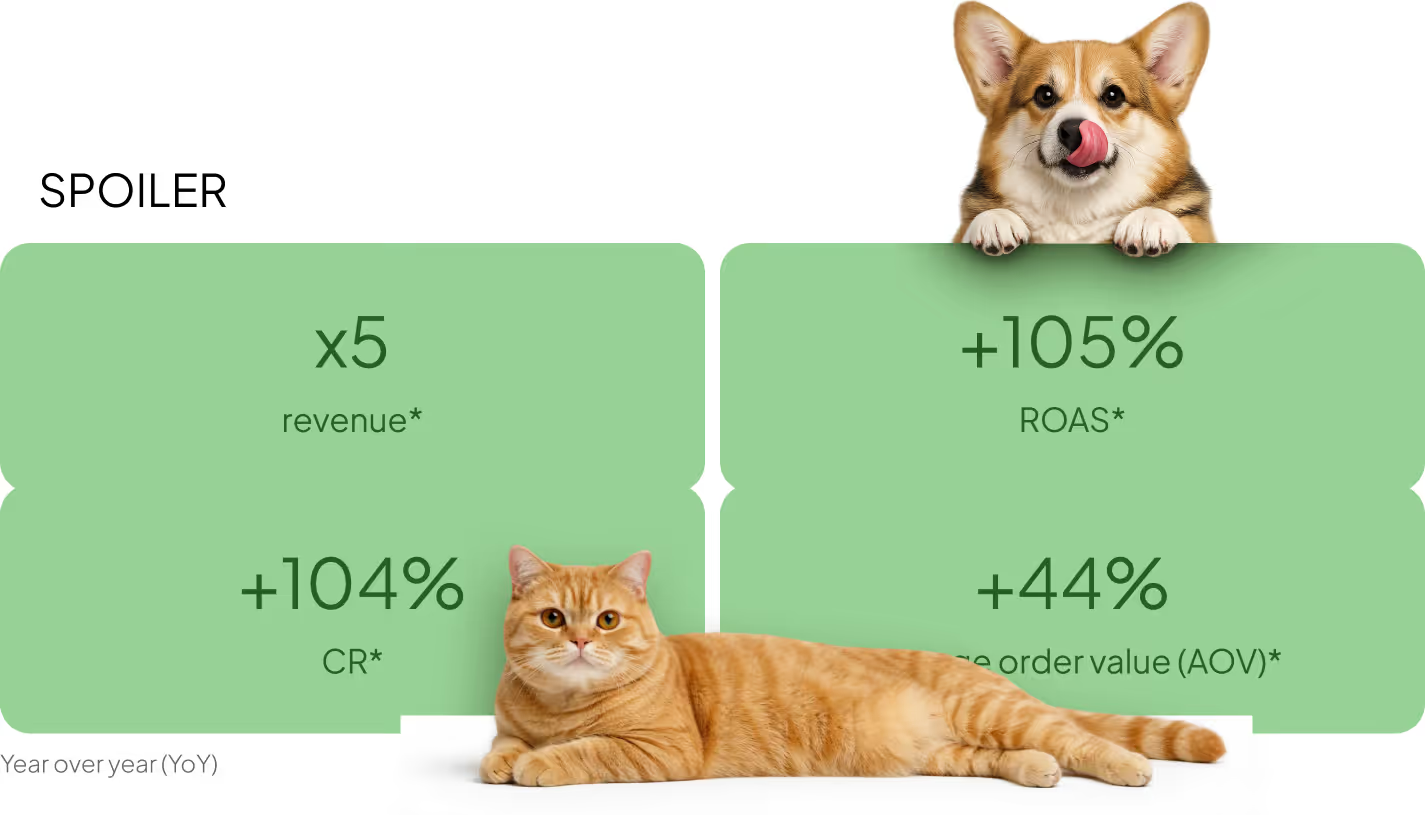
ZooComplex turned to Promodo with the goal of increasing the ROI and revenue from paid advertising channels.
Since the client doesn’t have an in-house marketing team, Promodo’s PPC team handles strategic planning, campaign setup, and optimization. The client’s team, however, stays involved and participates in all key decisions.
The client’s ad account was set up in a classic structure, with campaigns organized by catalog:
This setup is standard for eCommerce in this niche, but it doesn’t consider actual demand, product profitability, or competition. During the first two months (December–January), this approach didn’t deliver the desired growth in performance. That's why we've conducted the Google Ads account audit and implemented the list of changes:
To improve performance and manage the budget more effectively, we suggested shifting the focus to categories and brands with the highest sales potential (like “Dogs,” “Cats,” etc.) and tracking the performance of individual products.
The idea was to make campaign structure, product management, and audience targeting work as one system—where every element supports the others and drives higher profitability. Our goal wasn’t just to optimize ad spend, but to build a logic that can scale with the business.
We started by reducing the number of campaigns and combining some categories (for example, products for birds, fish, and rodents). This gave the algorithms more data to learn from, improved budget efficiency, and allowed funds to be directed to categories that actually generate sales, instead of low-profit campaigns.
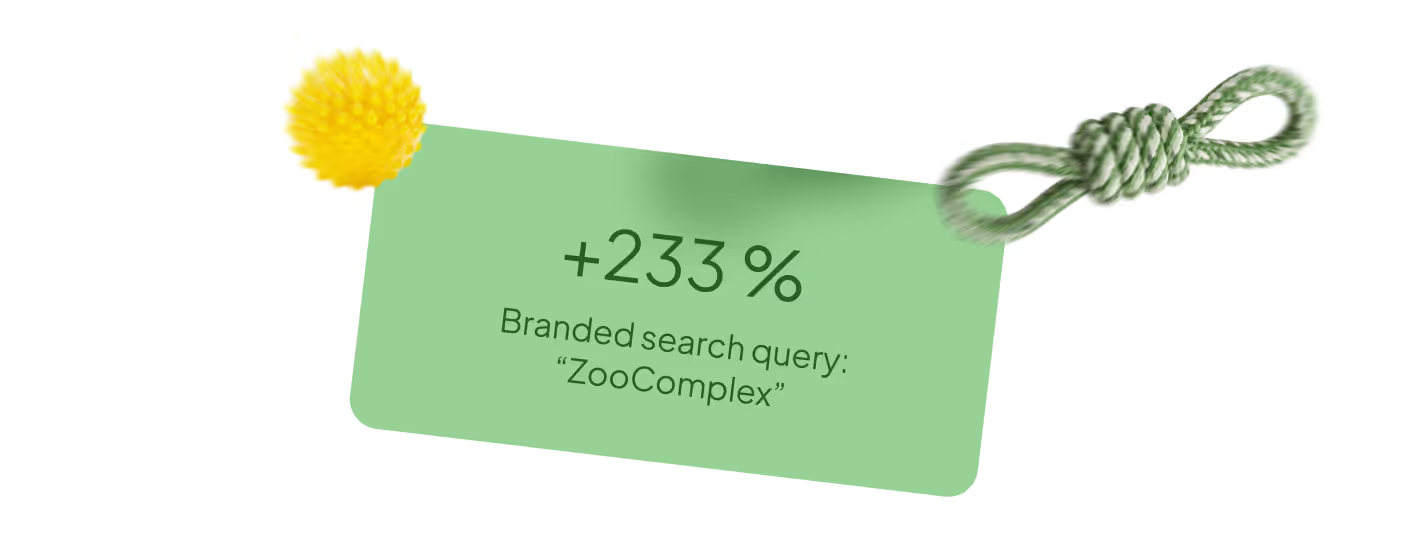
At this stage, we also launched a branded search campaign, which hadn’t existed before, even though competitors were running ads targeting searches related to the “ZooComplex” brand.
Within the first few days, we saw clear improvements—cost per conversion dropped, and profitability metrics increased. The branded campaign also helped retain customers searching for “ZooComplex” on Google, preventing competitors from taking the top spots for the client’s branded queries.
Next, we moved to a comprehensive approach working on three areas together: the product catalog, audiences, and ad creatives—each designed to strengthen the others. Here’s a closer look at each.
The next step to improving channel profitability was changing how we handled products. To avoid wasting budget on items that didn’t generate revenue, we divided products into two groups based on profitability:
Zombie SKUs are items that don’t get shown or clicked on. Google’s algorithms treat them as less promising for sales and usually don’t include them in ads.
Our approach to zombie SKUs proved effective: it allowed us to scale spending while increasing overall account profitability. This category eventually started generating up to 20% of total revenue.

To increase traffic, we launched a separate search campaign for top dog products using broad match keywords (like “dog food” or “tick pills for dogs”). This helped capture more relevant searches, attract new users, and boost overall high-quality traffic to the website.
At the same time, we ran a campaign targeting new users who hadn’t interacted with ads before. This approach allowed us to scale budgets specifically for acquiring new audiences and steadily grow the customer base.
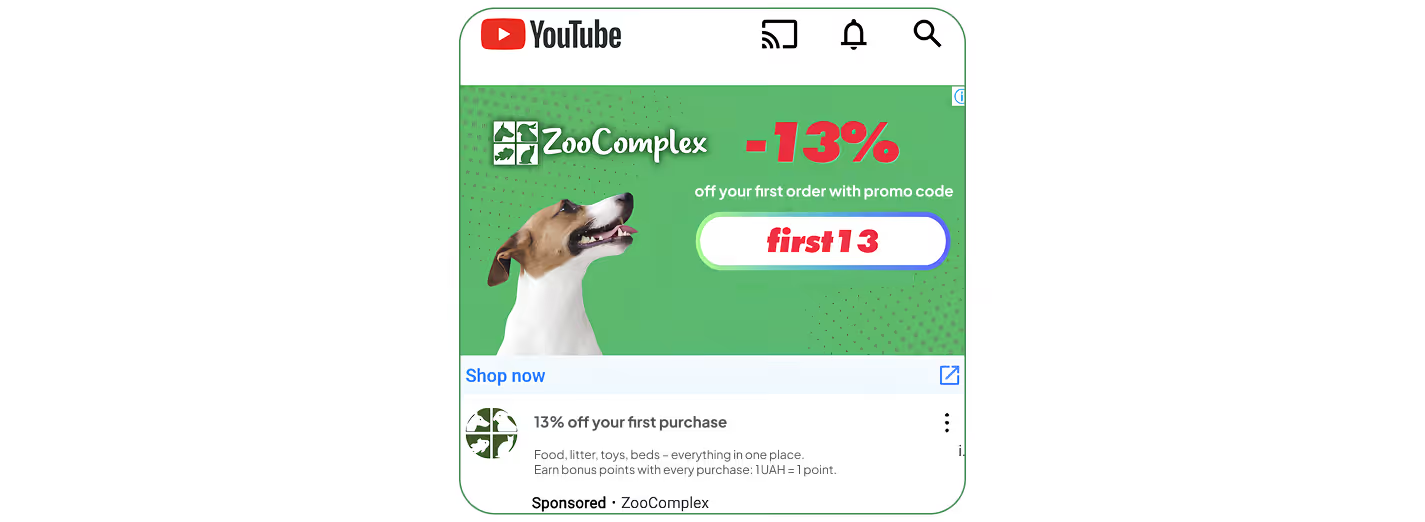
To boost the impact of search campaigns, we started using different types of creatives—both promotional and general—tailored to the signals of specific audiences.
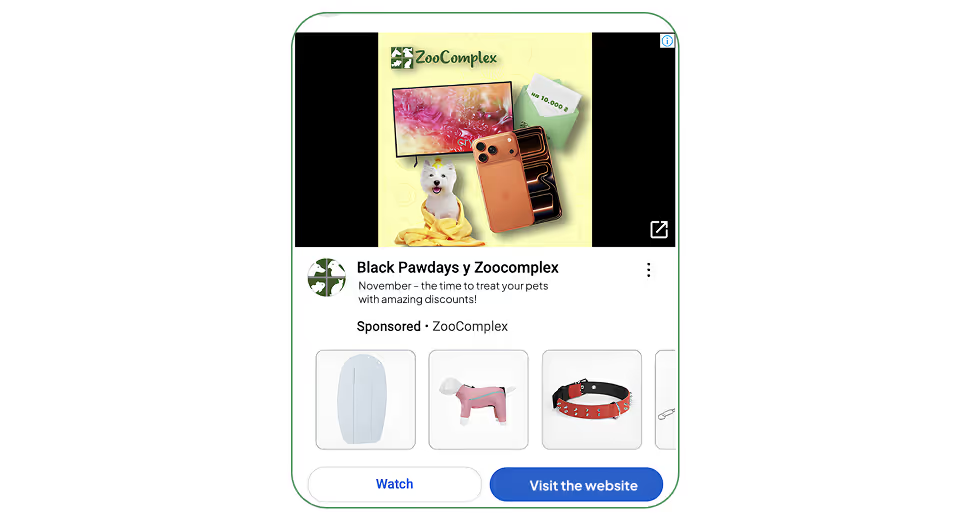
For the first time, we also launched a Demand Generation campaign for the client, aimed at creating demand and expanding reach. This helped the brand appear more often in front of new users.
Demand Generation is an ad format that helps find new users and spark interest in a product before they even start searching for it.
Once the account was optimized and the product catalog organized and up to date, we moved on to the next step—automating ad campaigns.
As part of scaling the ad account, we launched additional search campaigns to improve ad relevance and performance. For this, we used G-MOS automation, which syncs ad campaigns with the product catalog in real time.
G-MOS is Promodo’s in-house tool for creating and updating ad campaigns. It makes managing paid channels easier, allows building dynamic campaigns, and ensures that only current products are promoted by updating data in real time.
With G-MOS, the system automatically updates ads, reacts quickly to price or stock changes, and ensures ad budgets are spent only on available products.
This tool allowed us to quickly scale priority categories, improve ad relevance, and target commercial queries more accurately. As a result, we gained more high-quality traffic and significantly boosted the performance of search campaigns.
Each stage of our strategy reinforced the next. While small tweaks can improve short-term performance, a comprehensive approach ensures steady growth and prepares the account for scaling.
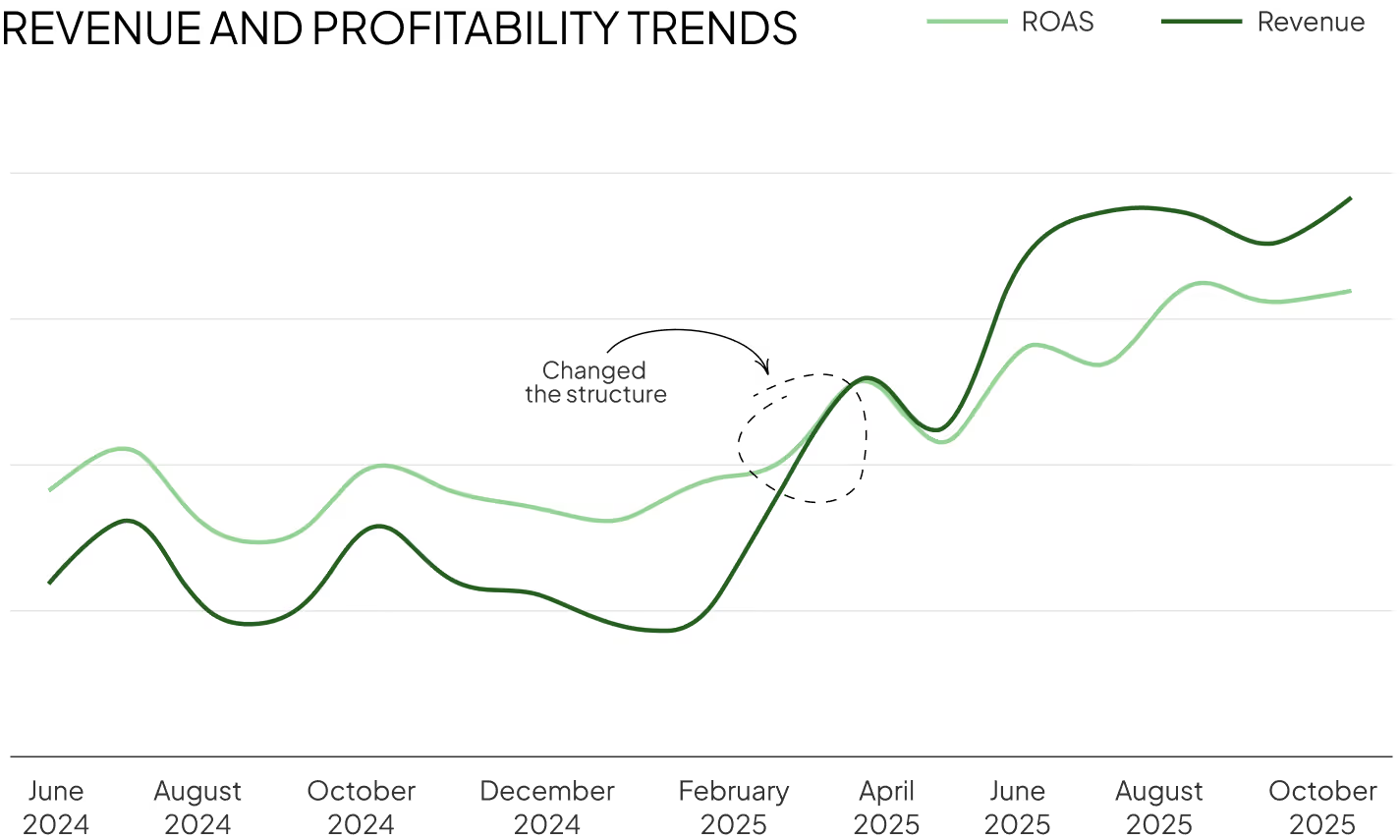
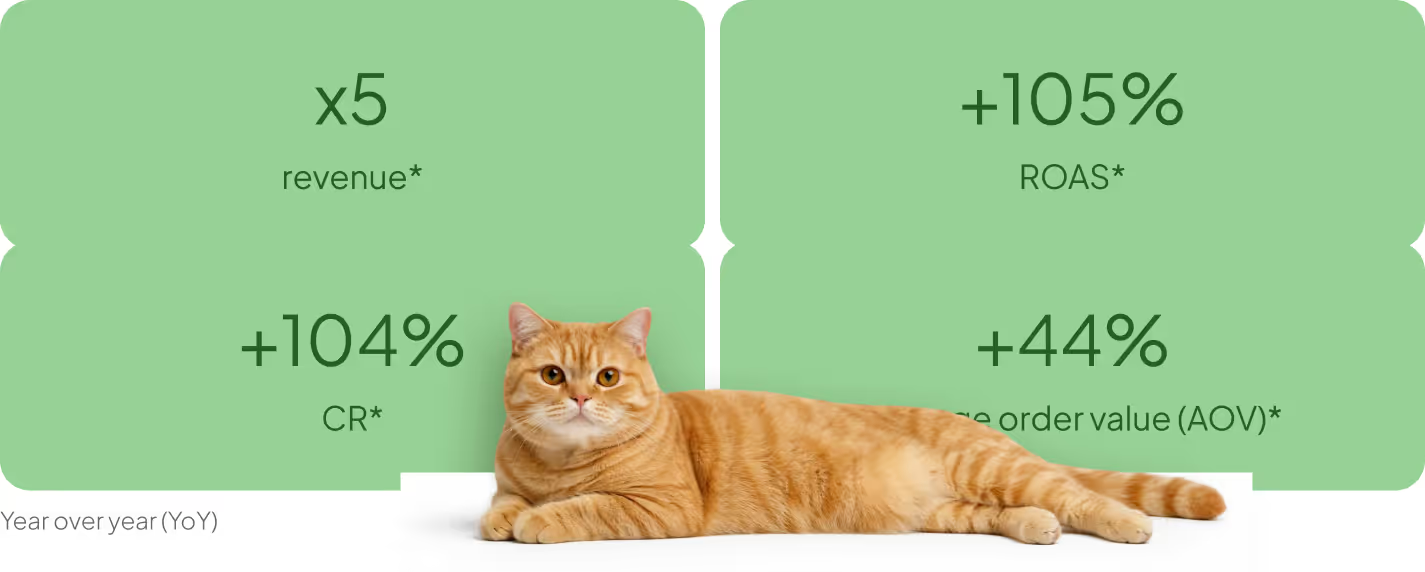
In addition to achieving the client’s goals—boosting channel revenue and increasing profitability—we also saw a significant rise in brand awareness, according to Google search query data:
On their side, Zoocomplex.com.ua worked to achieve business goals. They revised their approach to the product catalog and pricing for key categories to stay competitive, and increased stock for priority products and brands.
The Zoocomplex team also improved the UX/UI of the shopping cart and updated the website design, which led to a 40% increase in cart conversion rate, while the overall conversion rate remained stable.
"Promodo, thank you for a year of teamwork. We truly felt that on the other side wasn’t just an agency, but an engaged team “in the know,” with whom we could think strategically. The foundation is growing, metrics are moving—thank you for that! We look forward to a new season and new goals".
Kostiantyn Kolisnyk, Managing Director at ZooComplex
Case studies
Check out how we help companies like yours overcome challenges and rise to the next level.
.png)
AI traffic
Revenue from AI traffic



.png)


.webp)
.svg)


