


.avif)
FREETOUR.com
eSputnik
Google Analytics
Figma
Google Sheets
FREETOUR.com is a platform that connects travelers with local guides, providers of free walking tours, budget tours, and experiences around the world.
• Implement automated flows for all stages of the customer journey.
• Turn promotional email campaigns into a stable source of revenue.
Working with the travel industry differs significantly from classic eCommerce or SaaS because users are not in a constant purchase cycle. Travel is an event with a clear beginning and end, and it is rarely an impulsive decision. The average gap between bookings is 312 days. Even the most active travelers, with a history of 7+ bookings, return for a new tour approximately every 146 days.
We collaborate with FREETOUR.com across several performance marketing services. Previously, we shared a case study on setting up and optimizing the PPC channel. Here, we focus on the results of email marketing optimization.
At the start, the client was already using the email channel for basic notifications such as booking confirmations or cancellations. However, there were no other types of campaigns, including promotional or triggered emails.
At the same time, email in the travel niche is a unique communication channel. It enables a long-term engagement effect, where users return to saved emails with ideas and recommendations.
Emails become a long-term influence tool. This was exactly our goal: build a digital customer journey support that included all stages from the first interaction with the platform to maintaining engagement even after their trips.
We needed to turn the email channel into a part of the customer experience with the brand and a driver of repeat bookings.
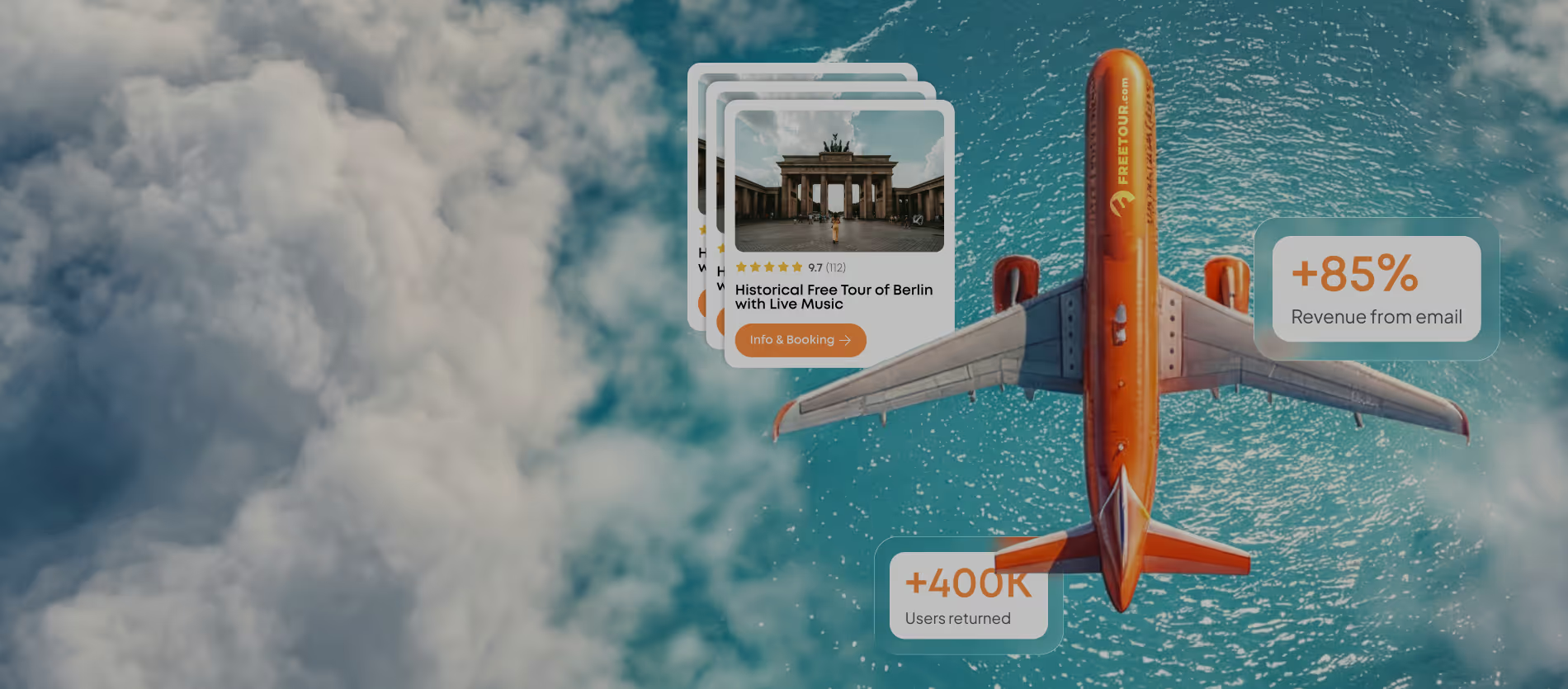
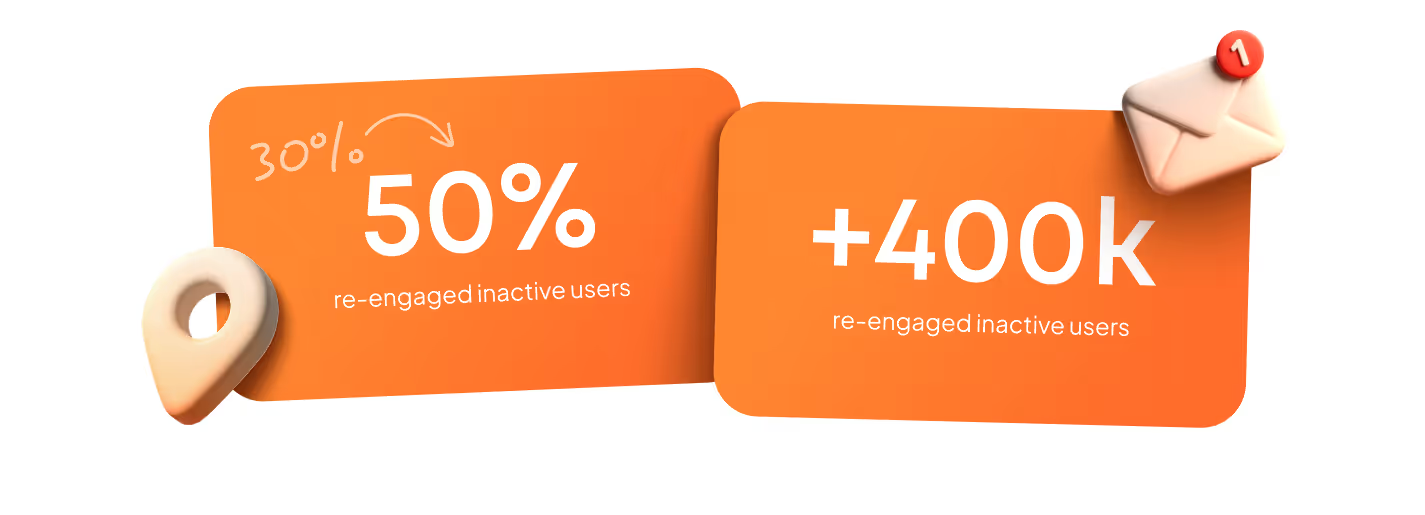
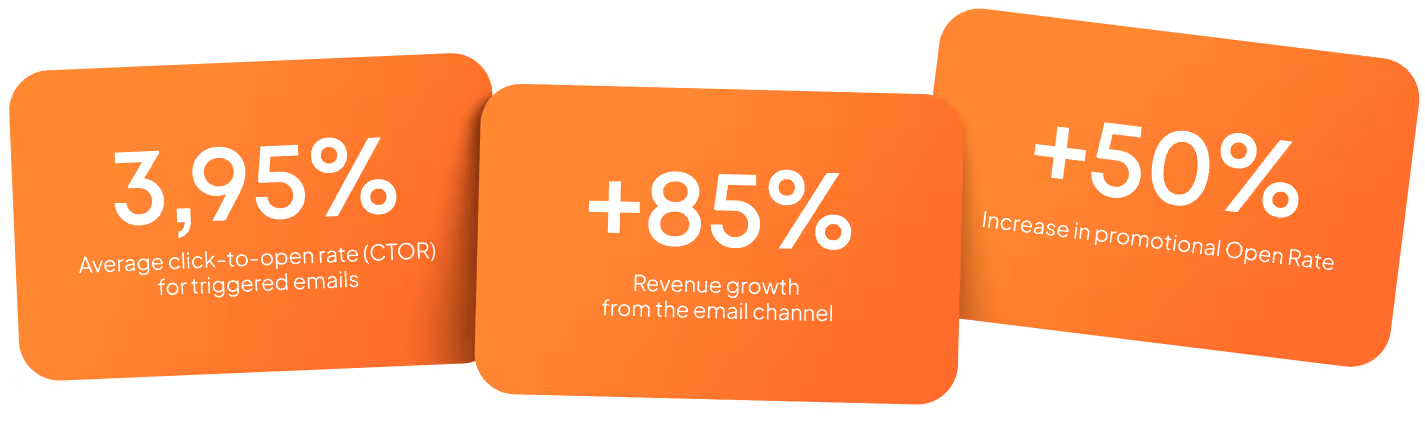
We managed to increase the number of re-engaged inactive users by +400K.
The client’s retention channel required a shift toward a more holistic system. That’s why we focused on building a unified communication logic, setting up automated flows, and creating a technical foundation for scaling.
We started the project by preparing the foundation for retention communications:
We also focused on the delivery strategy. It was crucial to ensure emails landed in the Inbox, not spam. These requirements directly impact reach, engagement, and the ability to scale the channel safely. To achieve this, the team warmed up the domain, segmented the database, planned sending waves, and introduced continuous performance monitoring.
Since we were working with large volumes of historical data (databases from 2023 and 2024 with 257K and 308K contacts), the warm-up process was gradual and lasted three months. This phased approach allowed us to scale campaigns without risking blocks or damaging sender reputation.
Today, the database includes 480,000 contacts, 74% of which are active users. We send over 1,000,000 emails monthly, with promotional campaign open rates exceeding 50% in recent months.
Since the average repeat purchase cycle in the travel industry is close to a year, a company needs to stay top of mind for its customers.
This is where automated email flows become essential. They allow you to guide new users toward their first booking, maintain interest during the off-season, and re-engage those who haven’t made a reservation in a long time.
That’s why we developed and launched automated flows:
[[VERTICAL-SCROLL-START]]
[[VERTICAL-SCROLL-END]]
[[VERTICAL-SCROLL-START]]
.avif)
[[VERTICAL-SCROLL-END]]
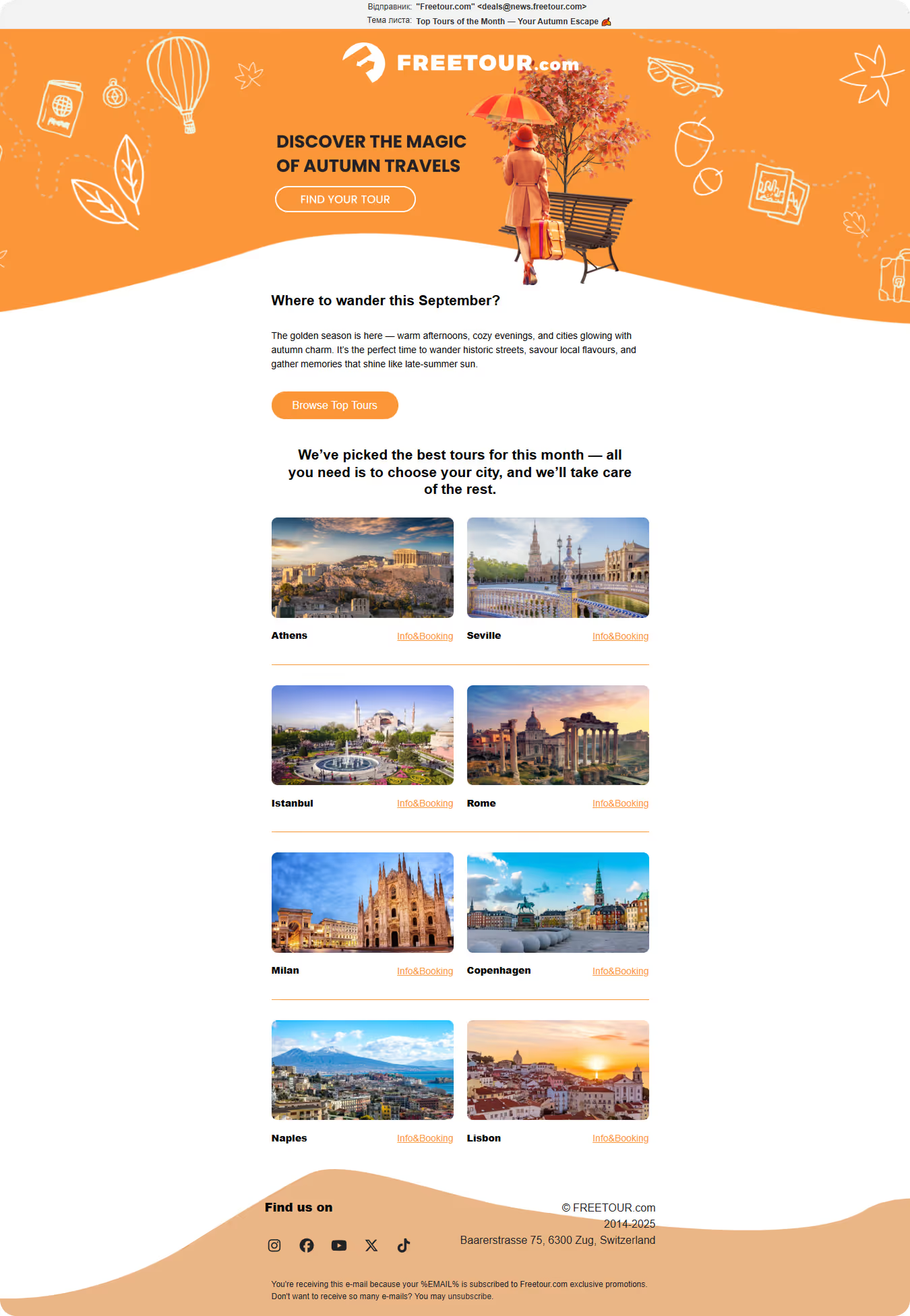
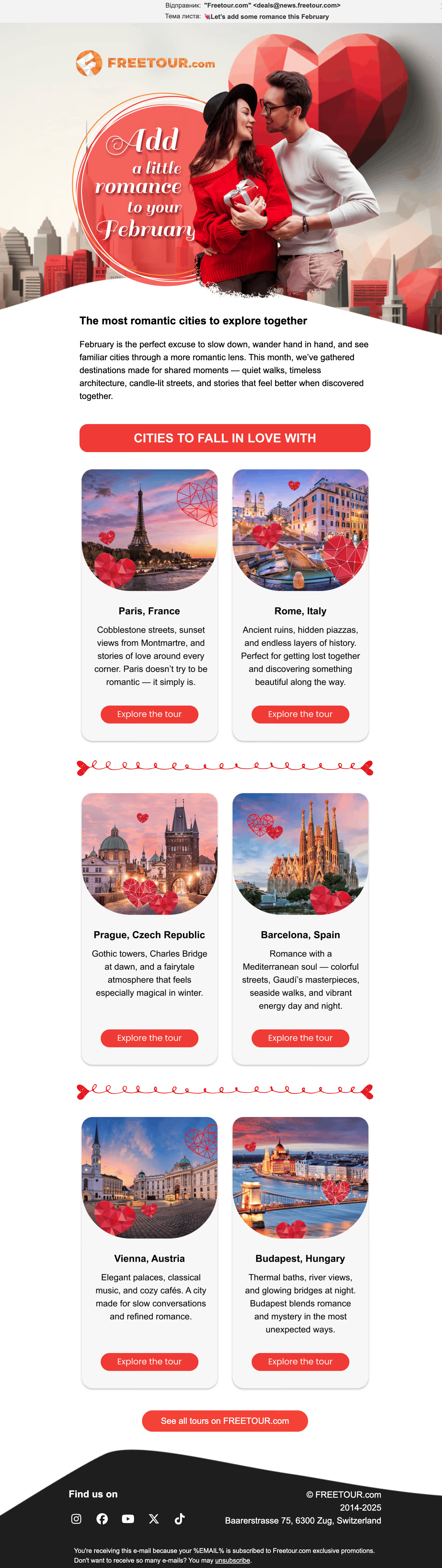
At the same time, we launched a system of regular promotional campaigns. Promo emails generate 80% of revenue in this channel. The strongest audience response and financial performance come from seasonal selections (Oktoberfest, Christmas markets, Halloween) and “Top tours and cities of the month” campaigns.
Considering the platform’s specifics—where many offers are free tours (based on voluntary tips to the guide)—converting such campaigns into revenue became one of the key successes of the project.
[[VERTICAL-SCROLL-START]]
[[VERTICAL-SCROLL-END]]
We also regularly send alternative travel scenarios (warm & cozy travel, evening tours), guide stories, food tour selections, and partner integrations to maintain user engagement.
[[VERTICAL-SCROLL-START]]
[[VERTICAL-SCROLL-END]]
This helped us combine emotional content with the client’s business goals.
We’ve been working with the client in a consulting format for almost a year. The goal of Promodo’s Retention team is to automate all communications (including promotional campaigns) and improve overall performance. To achieve this, we continuously analyze data and test new hypotheses.
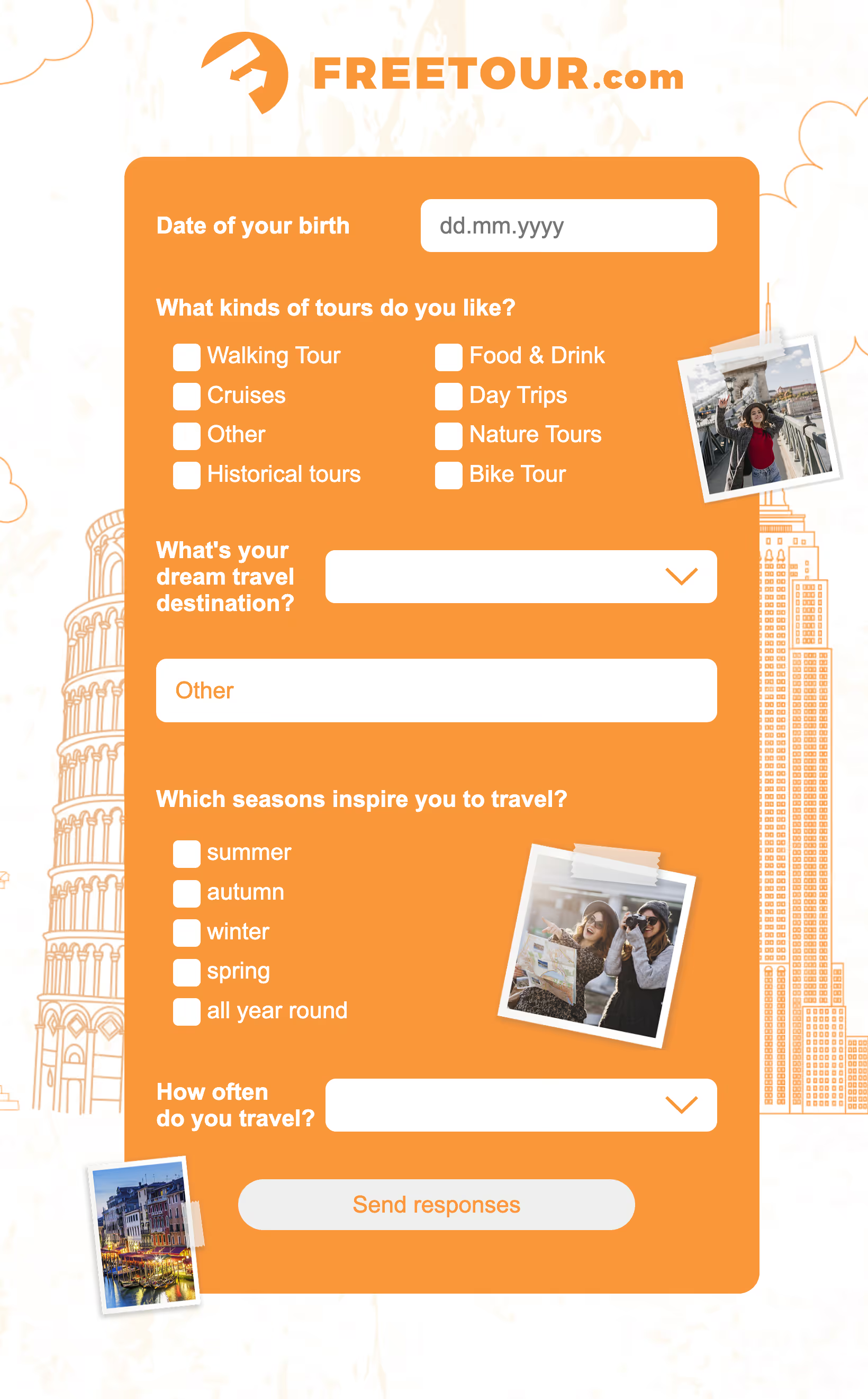
For example, we noticed that users respond quite slowly to surveys and questionnaires.
That’s why we decided to shorten the path to the target action. After testing multiple hypotheses, we found that users don’t want to spend time making complex decisions—they prefer ready-made ideas and social proof. As a result, we launched campaigns featuring reviews and “Top tours/cities of the month” selections, which deliver the best performance.
Another interesting insight: by analyzing customer behavior, we noticed that users successfully booked tours in March by following links from our December emails. Based on this, we decided to act proactively—now all themed campaigns are launched at least 7–10 days before the event.
We optimized the retention infrastructure and integrated it with the client’s product. The email channel has become a systematic tool for repeat bookings and user retention. It is stable, predictable, and scalable, supporting the client’s business growth.
The next step is building a full omnichannel ecosystem. Plans include deeper behavioral personalization, implementing recommendation mechanics, and synchronizing email with push notifications. This will increase the value of brand communication with users.
.webp)
Case studies
Check out how we help companies like yours overcome challenges and rise to the next level.
.png)
AI traffic
Revenue from AI traffic



.png)


.webp)
.svg)


