

Intertop
Meta Ads
Google Ads
AdsHub
G-Mos
FeedOptimizer
Intertop is a large fashion retailer with 200+ brands and tens of thousands of SKUs. Since 2019, the company has been evolving from a single-category shoe store into a full fashion platform.
By the time the project began, the search auction had changed significantly. Temu was quickly gaining impression share, and new active players had appeared alongside it: Reserved, Nike, and Modivo. In six months, search clicks became noticeably more expensive.
Traffic was getting costlier while demand wasn’t growing, so paid search efficiency became the main task. We analyzed Intertop’s ad accounts and BI systems and found that promoting tens of thousands of SKUs evenly generates sales, but not profit.
Because of the large volume of historical data, Google prioritized old collections with zero or negative margins.
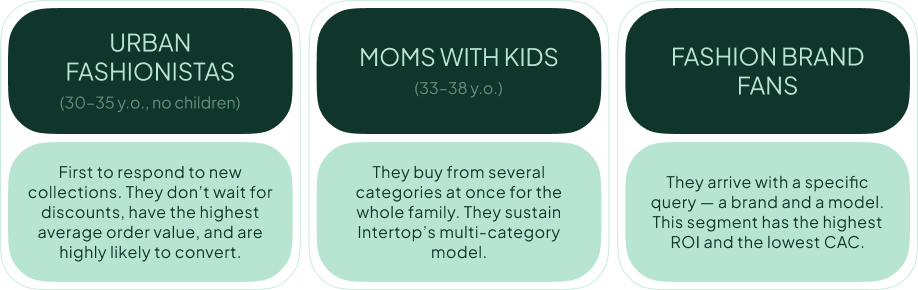
Based on the CJM analysis, we identified three segments best suited for profitable growth:
Most eCommerce companies still optimize ads for ROAS, even though it doesn’t always reflect real profit. Margins are dynamic and spread across different systems, making them hard to integrate in real time. We took a different path.
How do you grow revenue without growing the budget? Show the right product to the right person at the moment of intent, and direct money to the products that bring profit.
Picking those products manually from 78,000 SKUs would take months, so we automated selection at the data level.
We built an automation system that integrated margin into the feed and used it to build the campaign structure.
We added a “margin” attribute to the product feed that dynamically determined the profitability of each product. Margin data flowed into Google Ads automatically. As a result, campaigns were split into 3–6 groups, and the ones with the highest margin got the most budget. No manual work was needed.
Each Performance Max campaign was built along this chain: category → gender → margin.
For example: “Shoes → Women’s → 60–80% margin.”
Our own tool, AdsHub, removed old collections from campaigns. It systematically excluded products older than 2 years.
To sell off the leftover stock, we used another tool we developed, G-MOS. It generated search campaigns from feed data: the more precise the query, the lower the competition and the higher the conversion. Once a product sold out, the campaign stopped.
Through G-MOS, we also launched search campaigns for all 78,000 SKUs. This helped Performance Max reach audiences it couldn’t reach on its own.
For urban fashionistas, we created ready-to-wear looks. Each creative showed a complete outfit of 5–6 items, with a name and price for each one. Instead of a single product, users saw a complete look they could buy right away.
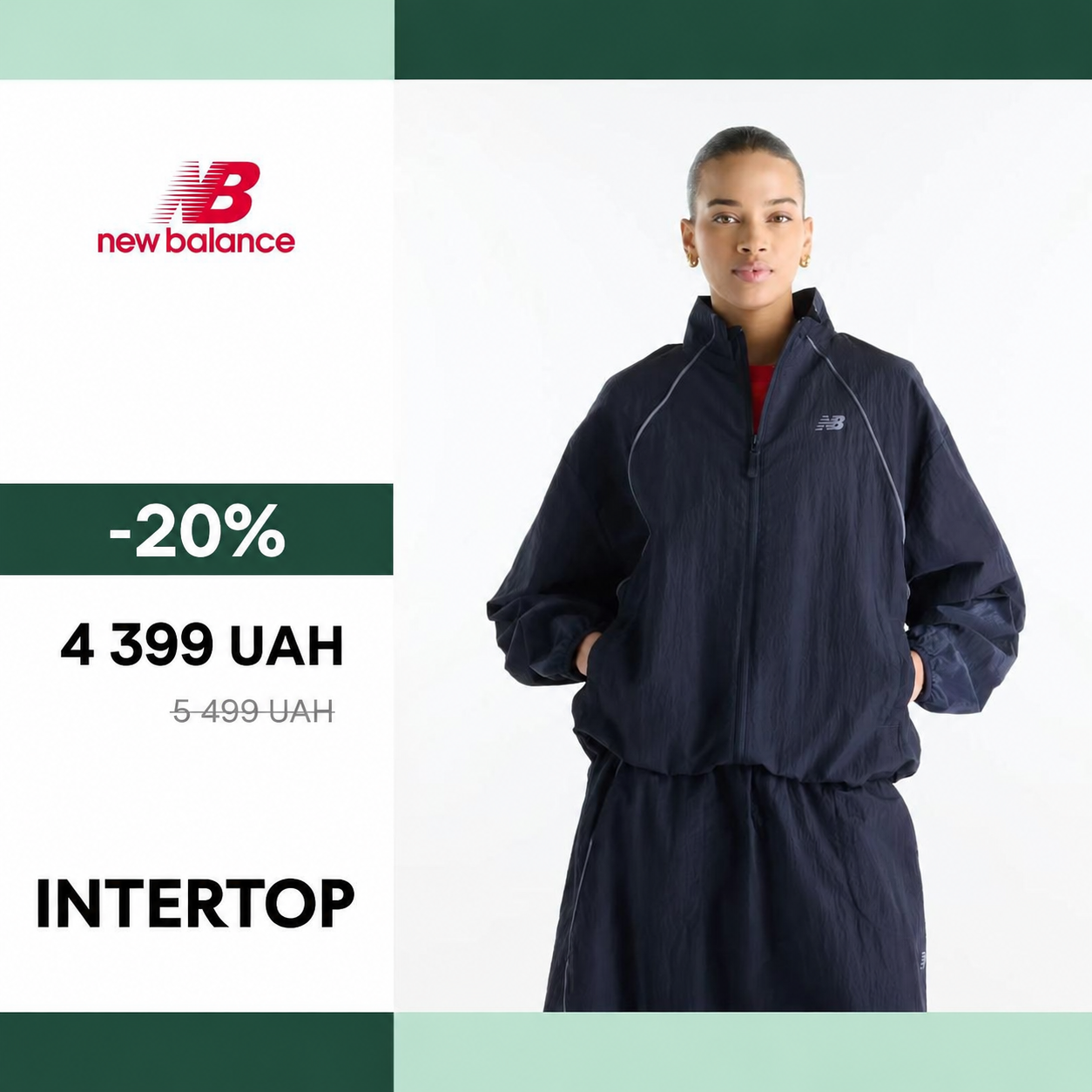
For brand fans, we connected FeedOptimizer. The tool automatically added feed data to product creatives: name, price, and brand logo. For the 30 most popular brands in the catalog, we showed the logo instead of the text name. If a price changed in the feed, it updated automatically in the creative too.
[[ROW-START]]

[[ROW-END]]
We showed the cart discount right in the search funnel. A user would come from Google Search or Shopping, add a product to the cart, and see the discount message on the product page. This encouraged them to add more items or choose pricier ones, which raised conversion value for Google Ads algorithms.
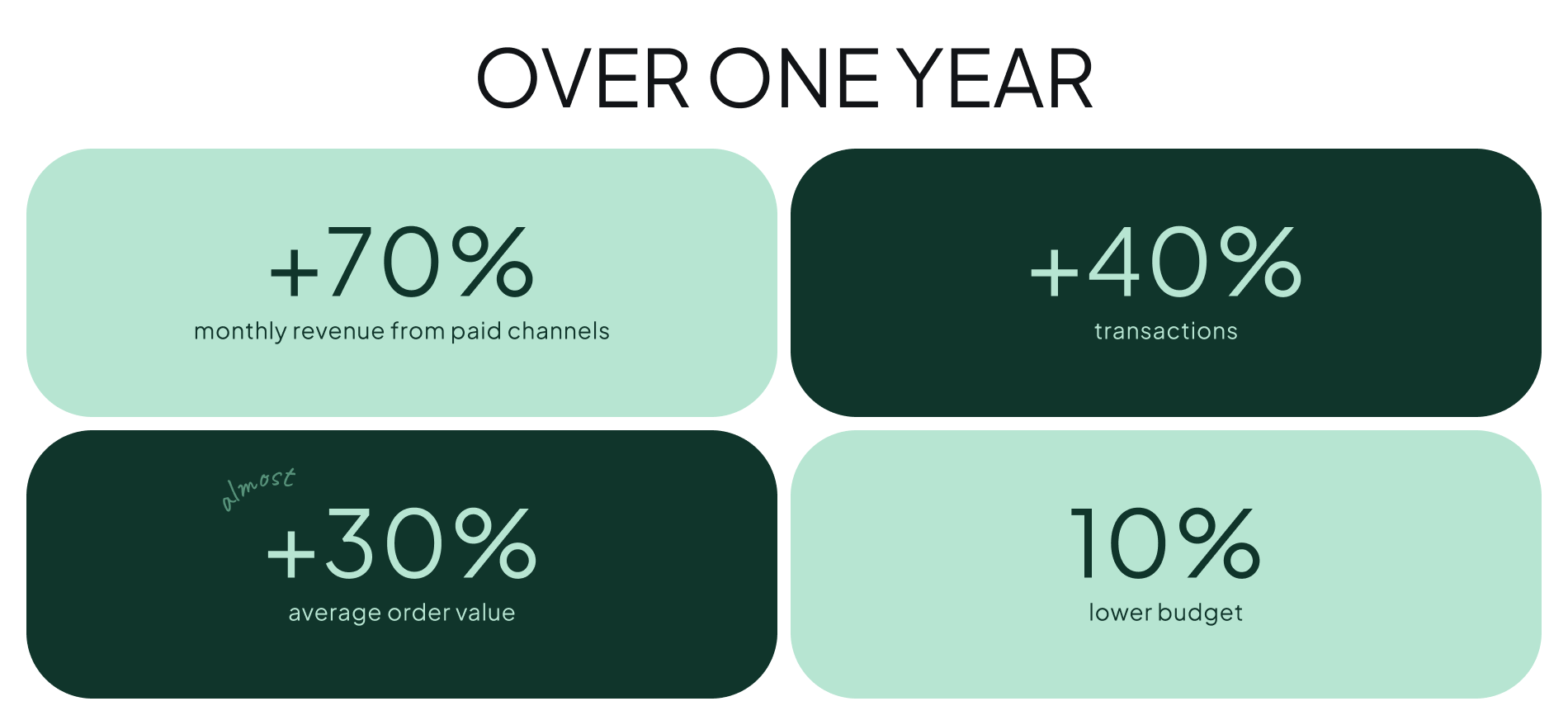
After rebuilding the campaigns around margin, Intertop generated more revenue on a smaller budget. Products were automatically grouped by margin, loss-making collections were removed from the main campaigns, and the budget shifted to the items that bring the most profit.
In the end, Intertop got a system that runs without manual control: it picks profitable products on its own, phases out outdated collections, sells off leftover stock through search, and keeps prices in creatives up to date.
It’s a scalable model of ad management where every decision, from campaign structure to creatives, works for profit, not just revenue.

Case studies
Check out how we help companies like yours overcome challenges and rise to the next level.

CTR
CR
Work period