


Content



Team Lead of Content for promodo.com
Experienced in working with data, expert recommendations, and real business cases to create clear and valuable content that delivers real business impact. Passionate about discovering new insights, exploring industry trends, and turning complex topics into practical, easy-to-understand content.

Head of Retention Marketing Department at Promodo

Average order value (AOV) is one of the three core levers of eCommerce revenue, alongside traffic and conversion rate. Growing AOV by 10% has roughly the same effect on revenue as growing traffic by 10% without spending an extra dollar on acquisition.
This guide explains what AOV is, how to calculate it, what a healthy AOV looks like by industry, and which PPC, UX/UI, and retention marketing tactics actually move the number.
Average order value (AOV) is the average amount a customer spends in a single order on your site. It's one of the core eCommerce metrics used alongside conversion rate and customer acquisition cost to judge how efficiently a store turns traffic into revenue.
AOV doesn't tell you how many customers you have or how often they buy. It tells you how much each completed order is worth. A store can grow revenue by increasing traffic, increasing conversion rate, or increasing AOV; of the three, AOV is usually the cheapest lever to pull, since it works on demand you've already paid to acquire.
The AOV formula is simple:
AOV = Total Revenue ÷ Number of Orders
For example, if a store generated $50,000 in revenue from 1,000 orders in a month, the average order value is $50,000 ÷ 1,000 = $50.
A few notes on getting the AOV calculation right:
To calculate your AOV manually, pull two numbers from your analytics platform or order management system for the period you want to measure:
Then divide revenue by orders. That's the whole calculation — the complexity in AOV work isn't in the math, it's in deciding what to do with the number once you have it.
There's no single "good" AOV. It depends heavily on what you sell. A furniture store and a snack-food subscription box will never have comparable AOVs, and benchmarking against the wrong category will send you chasing the wrong target.
Industry data on AOV varies by source and methodology (platform mix, region, and reporting period all shift the numbers), so treat the figures below as directional benchmarks rather than exact targets. One widely cited 2026 benchmark set for Shopify-based stores puts typical AOV in the following ranges by category (EasyAppsEcom, Shopify AOV Benchmarks by Industry 2026):
Separately, industry-wide reporting has placed the global blended eCommerce AOV somewhere in the $150–180 range in late 2025–2026, while the median AOV specifically across Shopify stores has been reported closer to $85 (Ringly, 45 AOV Statistics 2026) The gap between these figures is a good illustration of why platform, store size, and methodology all matter more than any single "average of averages."
The practical takeaway: benchmark your AOV against your own category and platform, not a generic global number, and treat the gap between your current AOV and your category's median as your realistic first target.
Growing AOV isn't a single tactic — it's systematic work across every stage of the customer journey: before the click (PPC), on the site (UX/UI), and after the purchase (retention marketing).
A PPC specialist's job often comes down to generating as many conversions as possible at an acceptable cost. But the number of orders and their value to the business are not the same thing — a campaign that drives many low-value orders and one that generates fewer, higher-value orders can have a similar ROAS while having a very different impact on profitability. Working on AOV in PPC starts before the user ever reaches the site.
Ad copy can set a price expectation upfront — phrases like “exclusive collection” or “premium quality” can help filter out shoppers looking for the cheapest option. Promoting ready-made sets instead of single items works the same way: “home essentials set” carries higher order-value potential than an ad for one product.
The same principle applies to lead-generation campaigns. Instead of optimizing for the lowest possible cost per lead, businesses can focus their PPC campaigns on audiences with a higher potential customer value.
For example, in a campaign for Customs Support Group, the goal was not simply to generate more leads, but to attract clients with the potential for larger deals and higher contract values. The team analyzed keyword semantics across different countries and language segments, identified geographies and English-language audiences with higher deal potential, and gradually shifted budget toward these segments. This meant accepting fewer leads when necessary in exchange for more valuable opportunities. Rather than optimizing campaigns around CPL alone, the strategy focused on the potential value of each deal — a useful approach for businesses where a higher-value customer can have a much greater impact on revenue than a larger volume of low-value leads.

Free shipping above a set amount, a bundle discount, or special terms for large orders belong in the ad itself, not just on the site. For catalogs with thousands of SKUs, manually designing this into every creative isn't realistic — Promodo automates it for clients with Feed Optimizer, which builds templates that add live product and offer information directly onto Meta catalog images.
Negative keywords stop budget from going to low-commercial-intent queries ("cheap," "budget," "used" for a mid-to-premium brand). Combined with audience signals like demographics or interests, this shifts traffic quality toward users already inclined to consider higher-priced options.
Which products get ad budget directly affects the potential value of every order. Promodo uses an adapted ABC/XYZ analysis to segment SKUs by business value and sales performance, then concentrates spend on the products that contribute most to revenue. See this approach applied in a PPC case study.
UX/UI determines whether the user finds a reason to add something to the cart, how easy that is to do, and whether a recommendation reads as helpful or pushy.
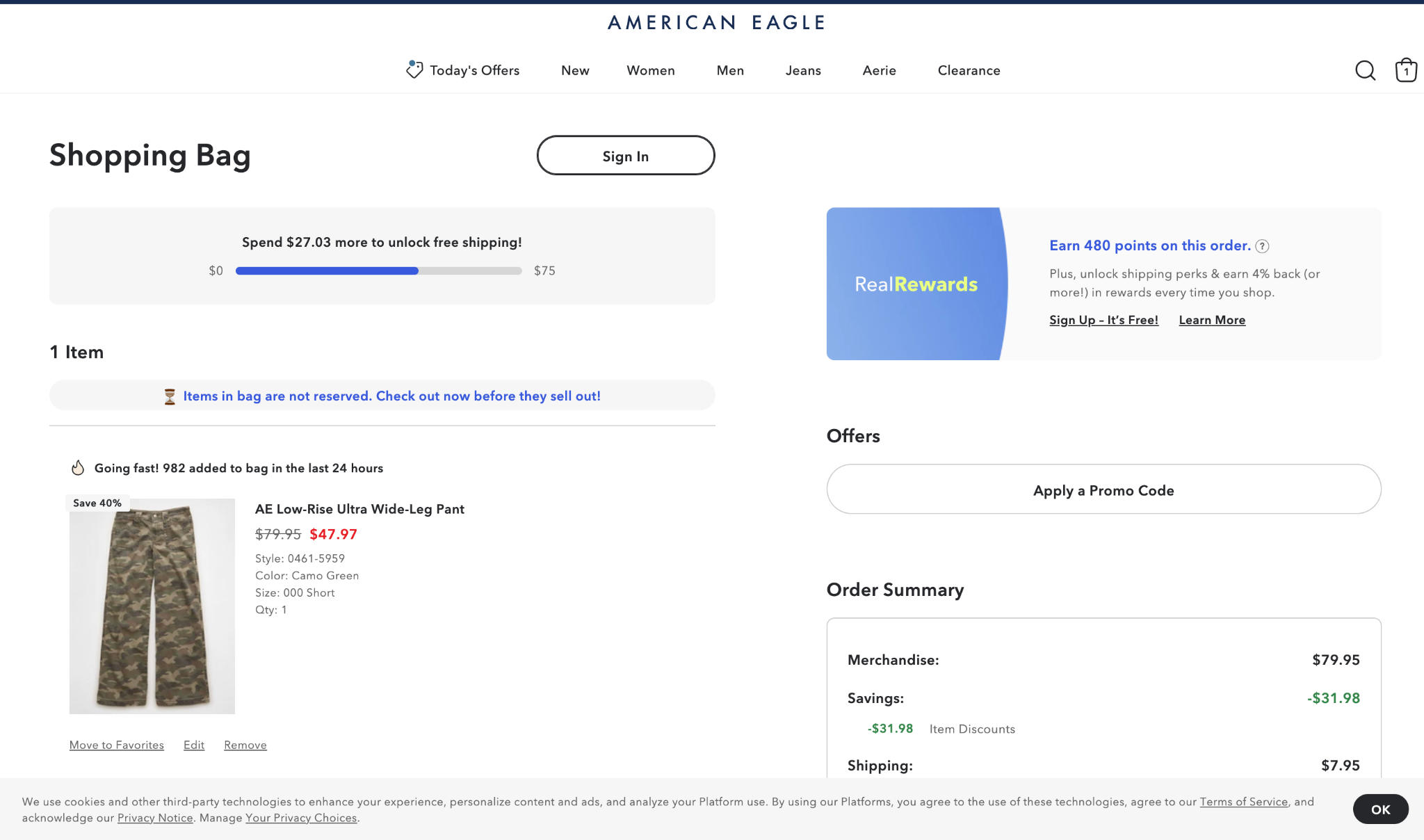
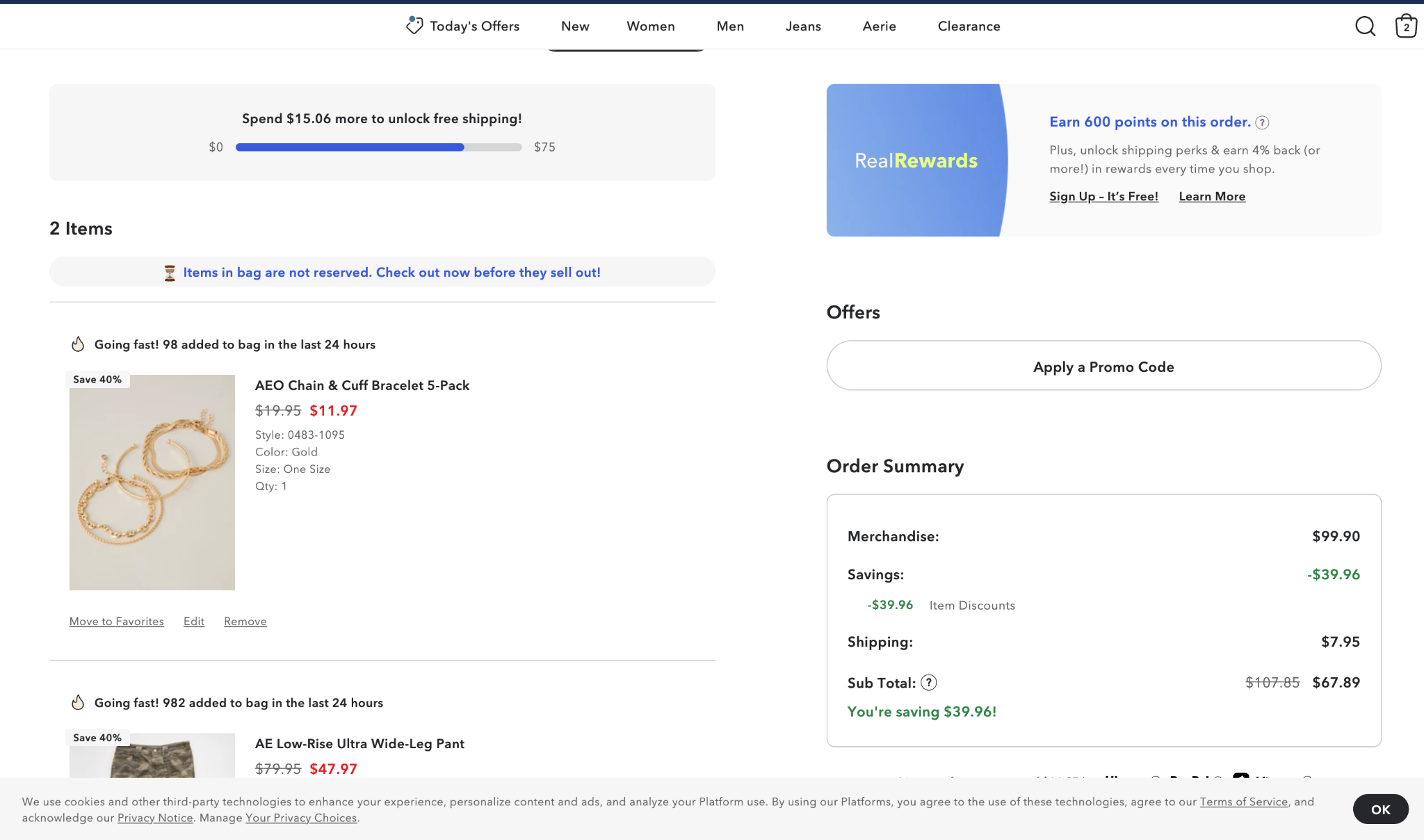
Shows the user exactly how much more they need to spend to unlock free delivery ("Add $15 more for free shipping"), paired with 2–3 relevant products in that price range.
Shipping-app data reports conversion increases in the 15–20% range from this mechanic alone, and best practice is to set the threshold about 30% above current AOV so it stays reachable.
[[SLIDER-START]]
[[SLIDER-END]]
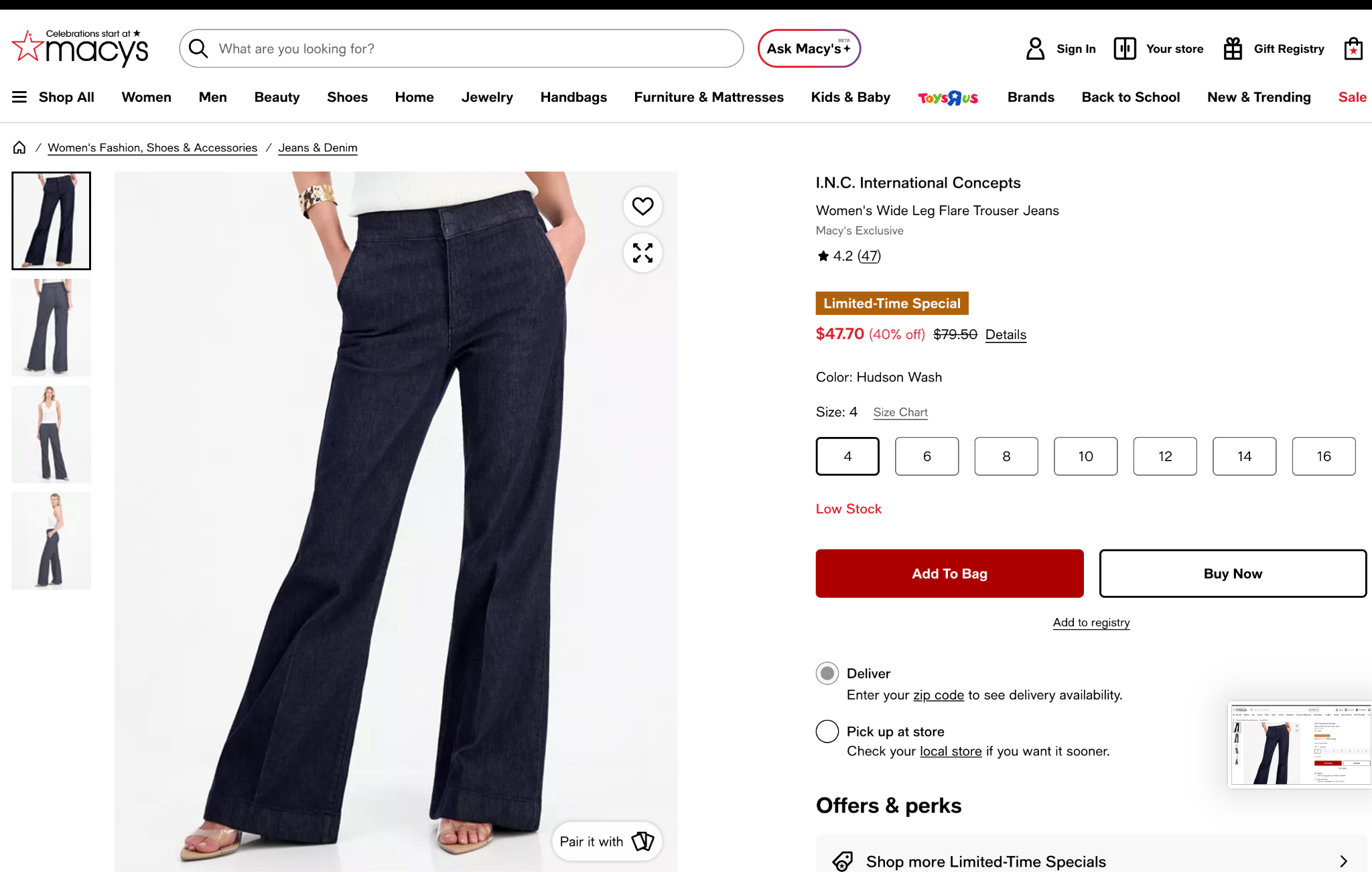
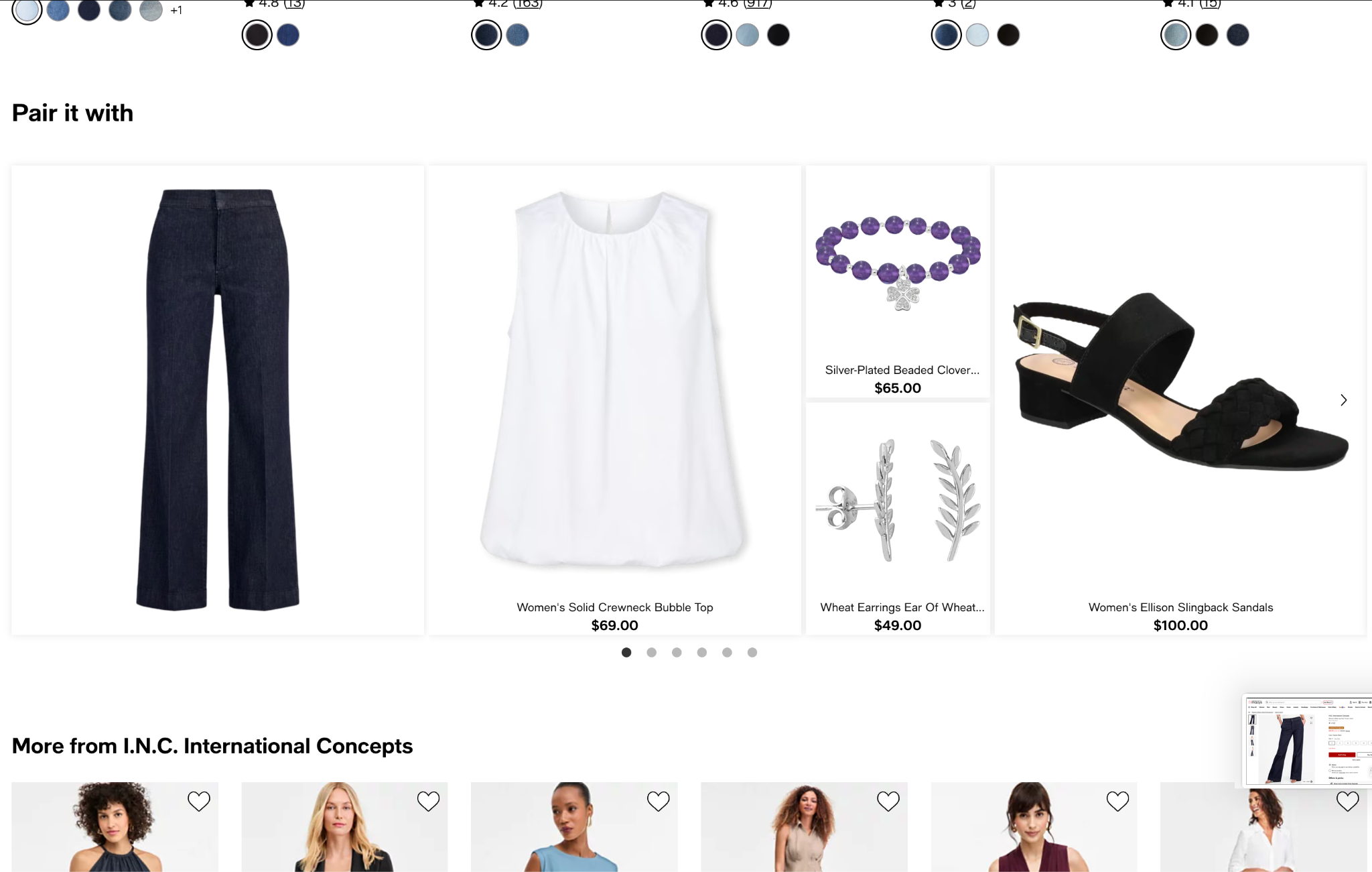
A “Complete your purchase” or “You may also need” section can introduce relevant add-ons while the customer is still considering the main product. The key is to make recommendations contextual: suggest products that complement the item being viewed or solve the next need in the buying journey, rather than displaying a generic list of best-sellers.
For example, a customer viewing a coffee machine might see compatible capsules, a milk frother, or cleaning supplies. These recommendations make it easy to add complementary products to the same order and increase AOV.
The goal is simple: turn a single-product purchase into a more complete solution by showing customers relevant products they might otherwise buy separately—or overlook altogether.
[[SLIDER-START]]
[[SLIDER-END]]
Bundle complementary products into a single set and offer it at a better combined price than buying each item separately. This gives customers a clear reason to add more products to their order while increasing the total transaction value.
The key is to make the bundle feel like a complete solution, not simply a collection of products. Match items that naturally work together, such as skincare products for a specific routine, a camera with essential accessories, or a lipstick paired with a matching blush.
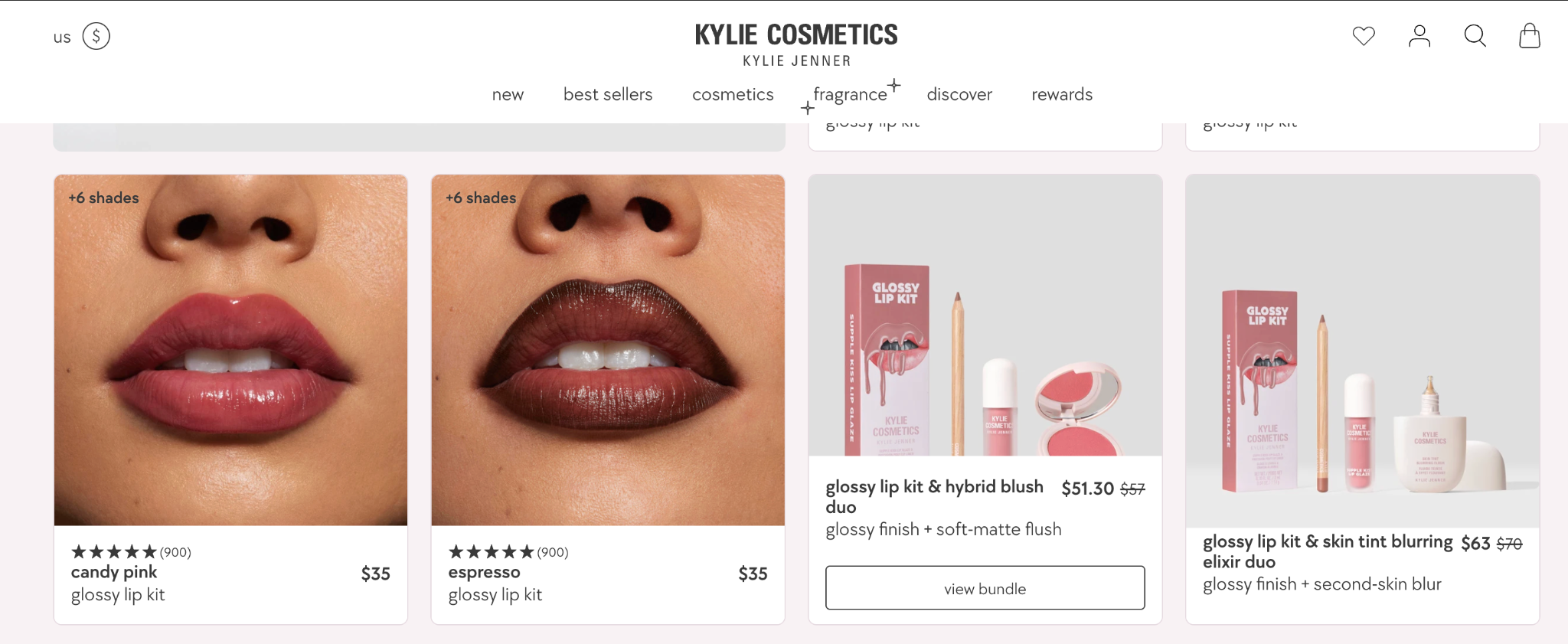
For example, Kylie Cosmetics uses curated combinations such as matching lip kits and blush sets to encourage customers to purchase multiple products as a single beauty look. The customer gets a ready-made combination, while the brand increases the value of each transaction.
When building bundles, highlight both the convenience and the saving: show the total price of individual products alongside the bundle price so the additional value is immediately clear.
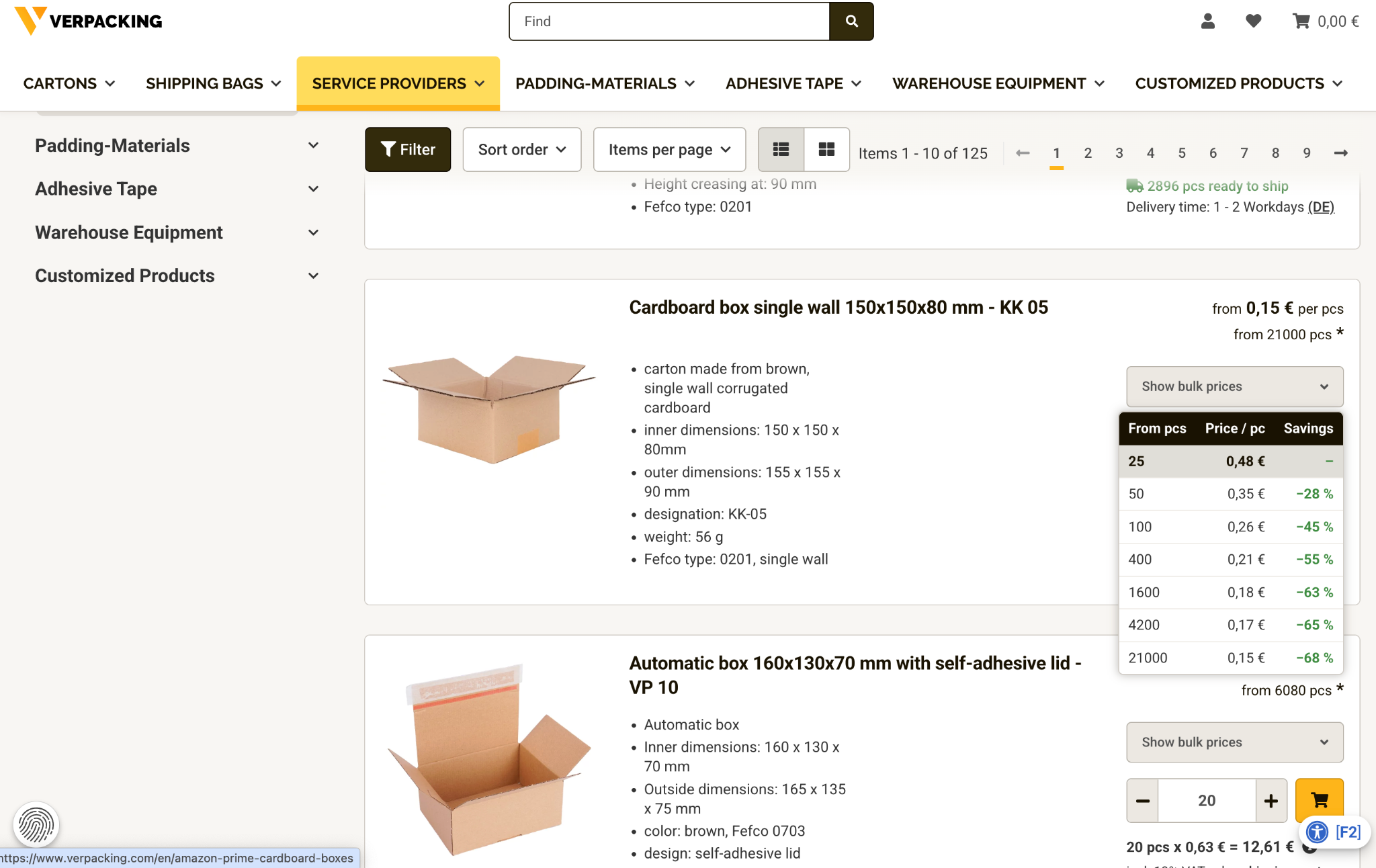
Encourage customers to buy more by offering a lower per-unit price at higher quantities. This works particularly well for consumables and products customers regularly repurchase, such as cosmetics, pet food, household supplies, or supplements.
Make the savings clear at the point of purchase: “Buy 2 — save $6” or “Buy 3, pay $X per item.” Showing the price per unit at each quantity helps customers immediately see the benefit of increasing their order.
The discount should be large enough to make the higher quantity feel worthwhile, but not so deep that it erodes your margin. The goal is to make buying more feel like the better deal, naturally increasing the number of units and the average order value.
The cart is one of the highest-intent moments in the customer journey, making it a natural place to suggest relevant add-ons. At this stage, the customer has already decided to buy, so a well-timed recommendation can encourage them to increase the order value without disrupting the purchase decision.
Focus on small, complementary products that make sense with what is already in the cart: accessories, consumables, upgrades, or items that help customers get more from their purchase. For example, someone buying a laptop might be offered a mouse, laptop sleeve, or USB hub.
Keep recommendations limited and easy to add. The goal is not to make customers reconsider their purchase, but to answer the simple question: “Is there anything else you might need with this order?”
Set a minimum order value that unlocks an extra benefit, such as a free gift or free delivery — for example, “Spend $50, get free delivery” or “Spend $50, get a free gift.”
This gives customers a reason to add another item to their cart and reach the threshold, increasing the order value instead of simply discounting products they were already planning to buy.
For the best results, set the threshold slightly above your average order value and make the benefit clear throughout the shopping journey, especially on the product page and in the cart.
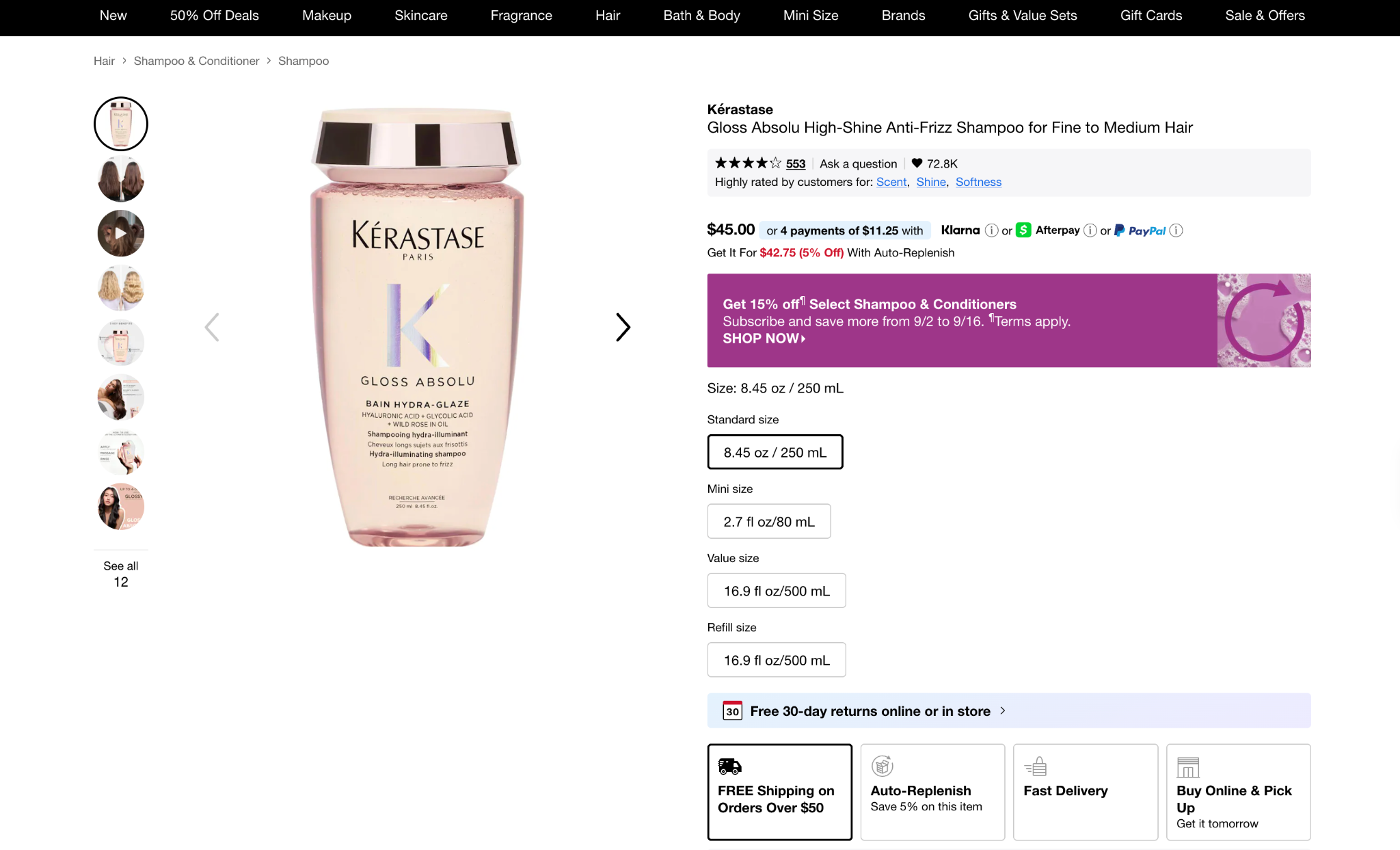
The same retention channels — email, push, Viber, SMS — used to bring customers back can also be used to increase the value of each next order, not just its likelihood.
Use product recommendation blocks in trigger emails — such as abandoned-cart, post-view, reactivation, and post-purchase campaigns — to introduce relevant products customers are likely to add to their order.
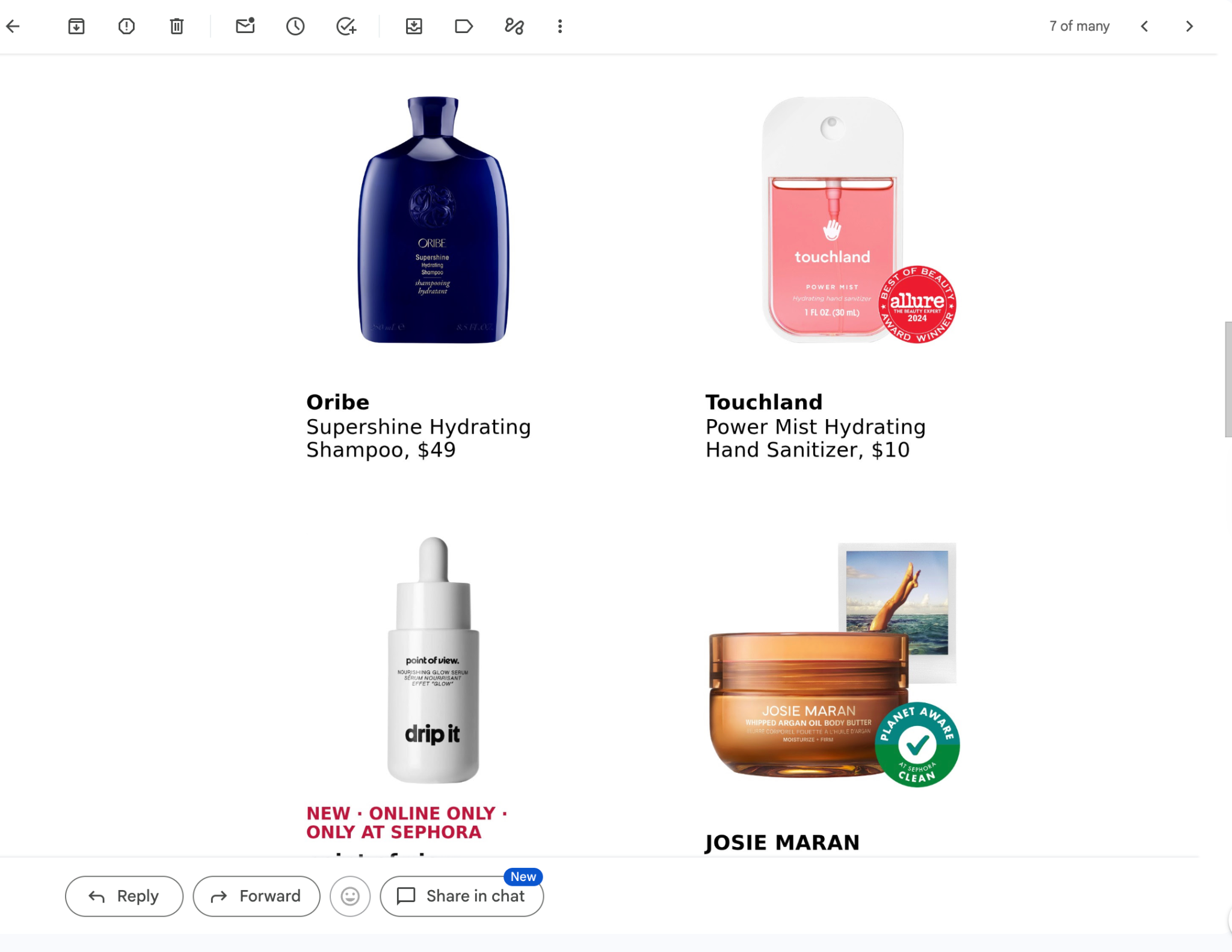
ML-driven recommendations can make these suggestions more effective, but set clear guardrails: for example, recommend products above a certain price, exclude low-margin items, or limit recommendations to complementary categories. This helps ensure that personalization supports AOV growth, not just conversion rate.
The customer is still in the context of their purchase, making the post-purchase email a natural opportunity for one more relevant recommendation.
Suggest an accessory, complementary product, or upgrade that makes sense with what they have just bought. For example, someone who purchased a camera could receive recommendations for a memory card, spare battery, or camera bag.
Use spending thresholds to make higher-value purchases more rewarding. Benefits such as extra cashback, bonus points, exclusive perks, or free shipping can unlock only when customers reach a specific spend level.
For example, Sephora's Beauty Insider program uses annual spending thresholds to unlock higher membership tiers, encouraging customers to spend more to access additional benefits. See Promodo's guide to loyalty programs in eCommerce for more ideas on structuring a tiered program.

Use free shipping as an incentive to increase the order value. Instead of simply displaying the threshold, show customers exactly how much more they need to spend: “Add $12 more to get free shipping.”
Make the reminder actionable by suggesting relevant products that fit within the remaining amount. This turns a shipping threshold into a clear next step rather than a passive promotion.
Use purchase history to offer customers ready-made combinations based on products they already buy. A set such as shampoo + conditioner + hair mask can encourage customers to purchase several products at once instead of spreading them across separate orders.
A modest bundle discount can make the offer more compelling while increasing both items per order and AOV.
Gamification can turn a standard promotion into an incentive to spend more. For example, a spin-the-wheel campaign can offer discount codes that are valid only when customers reach a minimum order value.
Instead of giving every customer an unconditional discount, the mechanic creates an additional reason to increase the basket before completing the purchase.
Use a customer's previous order value to set a personalized spending target for their next purchase. If their average order is $45, for example, offer a benefit that unlocks at $55 or $60 rather than simply giving them a discount on any order.
This creates a small but achievable step up from their previous behavior, encouraging customers to gradually increase their order value over t
We’ve covered 17 increase average order value eCommerce strategies — from optimizing paid traffic and using cross-sells to personalized recommendations, free shipping incentives, and loyalty programs. But the key takeaway is that AOV growth isn’t driven by a single tactic or tool. It’s the result of a systematic approach across the entire customer journey.
The strongest results come from combining multiple strategies: attracting higher-value customers, creating a frictionless UX, offering relevant products and incentives, and using paid advertising, retention marketing, and loyalty programs to increase customer value over time.
At Promodo, we help eCommerce businesses sell more and systematically increase the value of every customer from the first interaction to repeat purchases.

[[FAQ-START]]
Average order value (AOV) is the average amount a customer spends per order, calculated as total revenue divided by number of orders. It's one of the core metrics for judging eCommerce sales efficiency.
AOV = Total Revenue ÷ Number of Orders. For example, $50,000 in revenue from 1,000 orders gives an AOV of $50.
Pull total revenue and total completed orders for the same time period from your analytics or order management platform, then divide revenue by orders.
It depends on your industry — a "good" AOV for a food and beverage store (roughly $45–55) looks nothing like a good AOV for jewelry (roughly $180–450). Benchmark against your own category rather than a global average.
[[FAQ-END]]
Team Lead of Content for promodo.com
Experienced in working with data, expert recommendations, and real business cases to create clear and valuable content that delivers real business impact. Passionate about discovering new insights, exploring industry trends, and turning complex topics into practical, easy-to-understand content.
Head of Retention Marketing Department at Promodo
You may also like
Choose quality and trusted services to improve the presence of your company on the Internet, and feel free to contact our UK team if you have any questions.

If you are new to starting a business then you probably don’t realize that SEO should be amongst the most important tools for your marketing campaign.
.avif)
“You’d better know your target audience!” – marketers tell us often and persistently.

If you’re in fintech, your audience is trusting you with their money, their data, and their future. And that means your marketing needs to be unforgettable.
We at Promodo are ready to help you improve your performance across all digital marketing channels.
Get started



.avif)

.svg)


